Israel holds its first parliamentary elections after the war
RH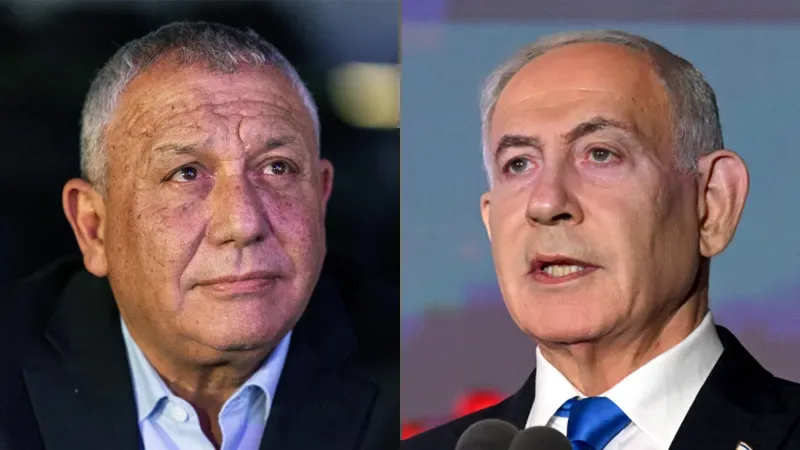
For the first time, Israel will hold general parliamentary elections after the Oct. 27 attack by Hamas and the large-scale conflict that has flared up across the Middle East. According to polls, a tense race is under way for the prime minister’s post between the current government leader, Benjamin Netanyahu, and Gadì Eisenkot, the former head of the armed forces. The former serviceman has based his election campaign on calls for accountability for security gaps that have emerged in the country and on reforms in governance.
Quoting the BBC, Postxronika.az reports that, since the parliament consists of 120 seats, at least 61 mandates must be won to form a new government. With a proportional electoral system in place, coalition talks between political parties are expected to last for weeks. Although the opposition bloc is likely to unite, the positions of right-wing and Arab parties will play a decisive role in the fate of the future cabinet.
Held against a backdrop of political deadlock and heightened military tension, the vote will shape Israel’s domestic and foreign policy course in the coming years. The makeup of the new coalition will have a direct impact on the Palestinian issue, as well as on prospects for establishing stability in the region. The election results are globally significant in terms of how the geopolitical balance in the Middle East will evolve in the future.